


With an innovative hardware/software architecture, modular design, and a user-friendly graphical interface (GUI), the system collects and transmits real-time data while providing alerts in cases of underperformance. It is fully compatible with all major inverter types (Ethernet, Wi-Fi, RS-485). Our start-up offers rapid installation, minimizing setup time and ensuring immediate operation. Design, analysis, optimization of our innovative solar monitoring systems with advanced CAD/CAE techniques, integration with hybrid software.
Description of a telemonitoring and remote control system for renewable energy stations (RES)
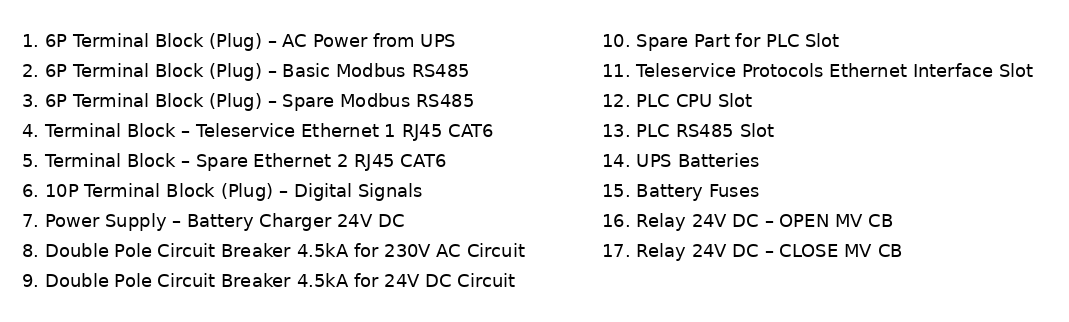
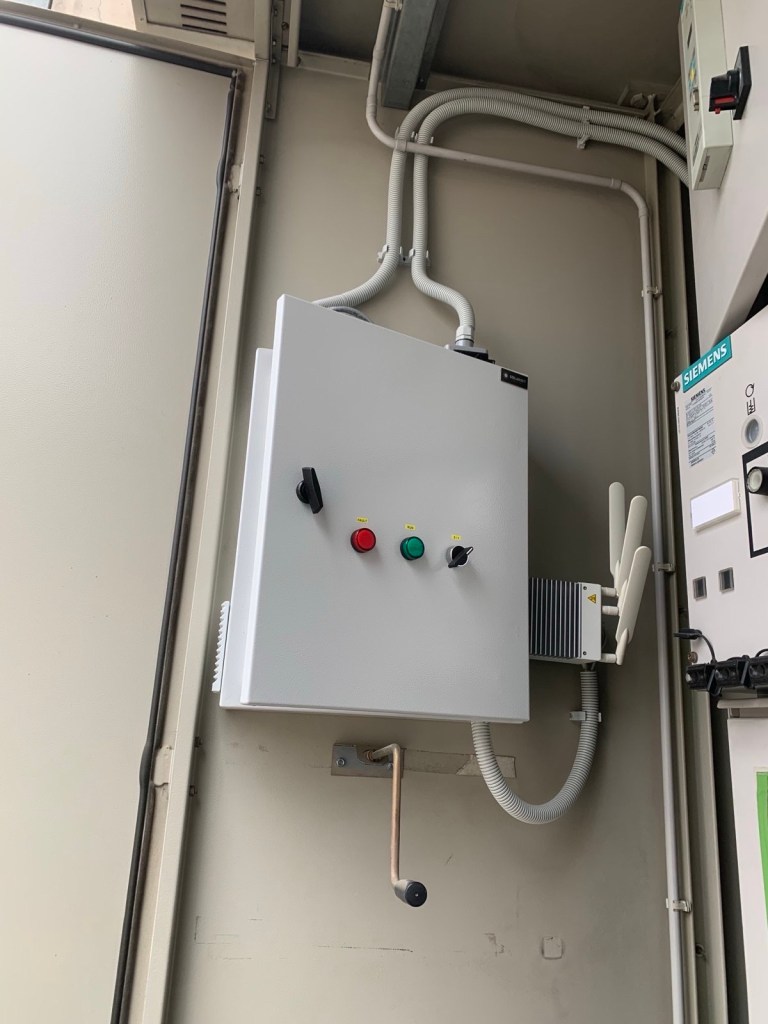
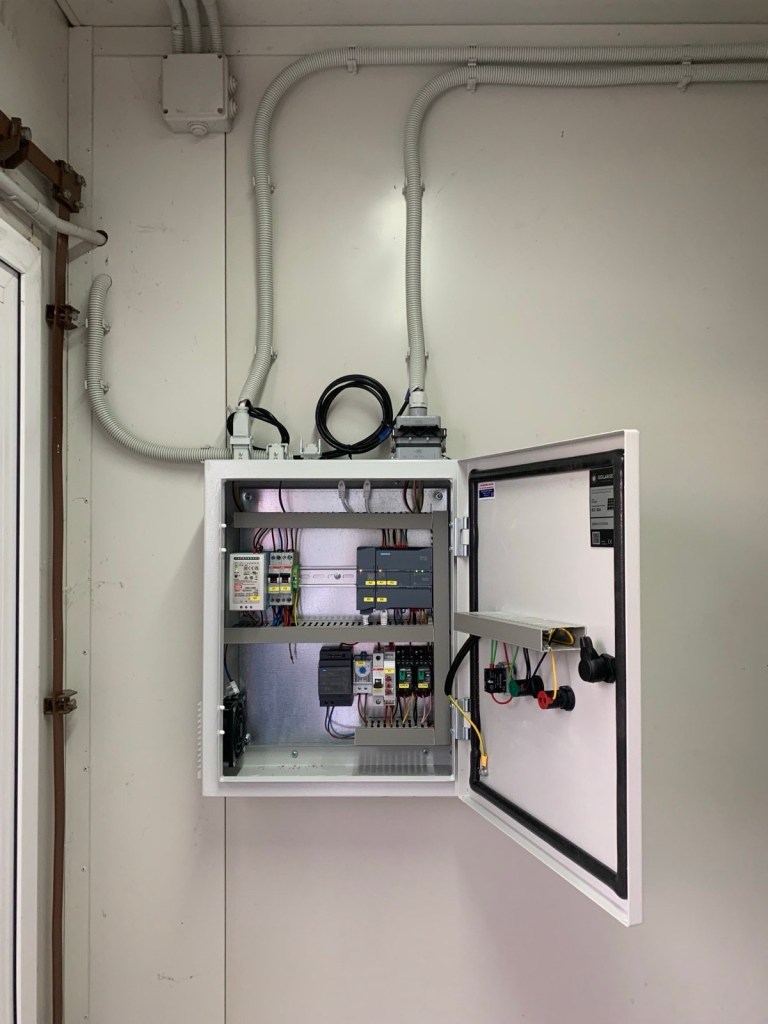
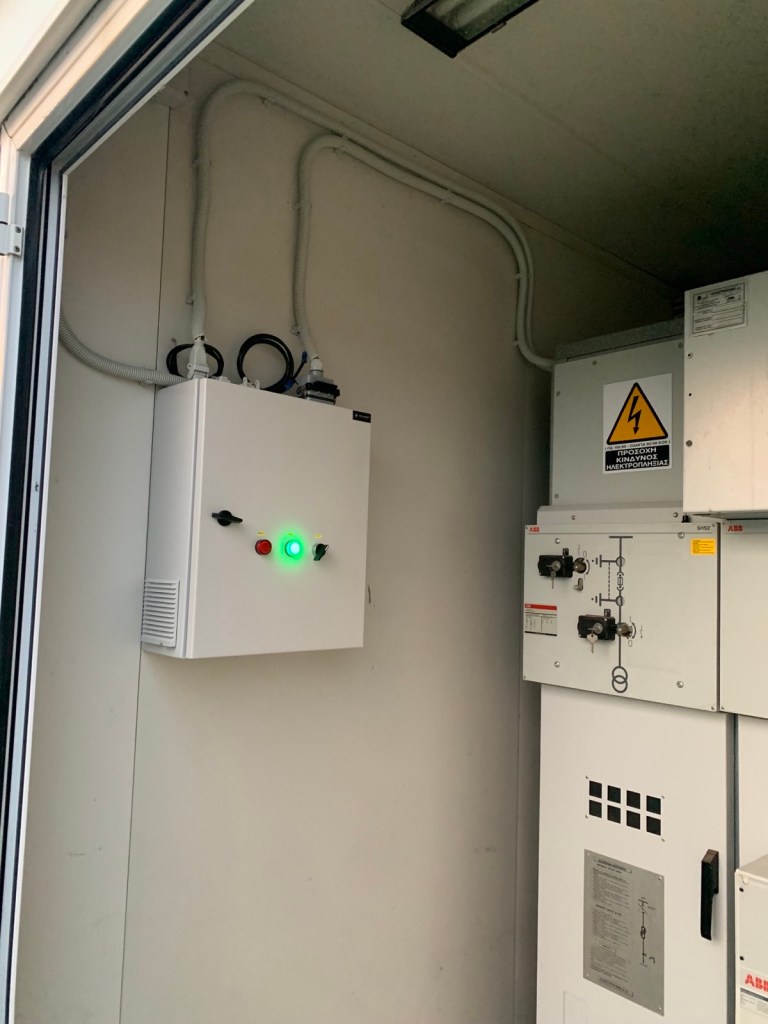
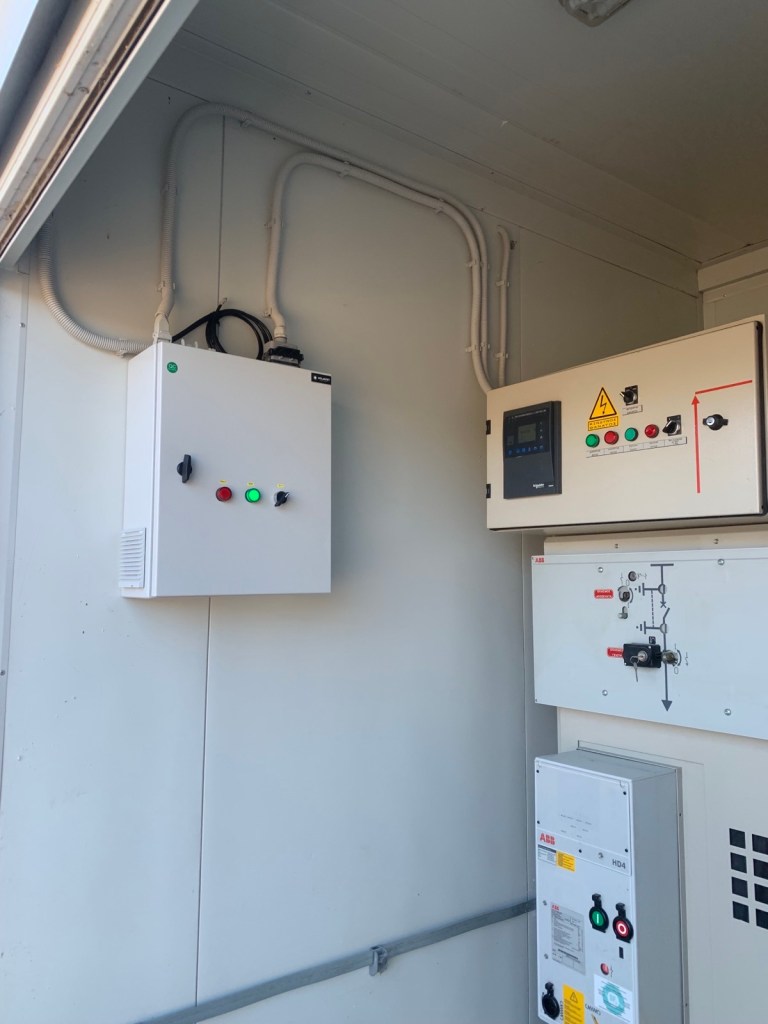
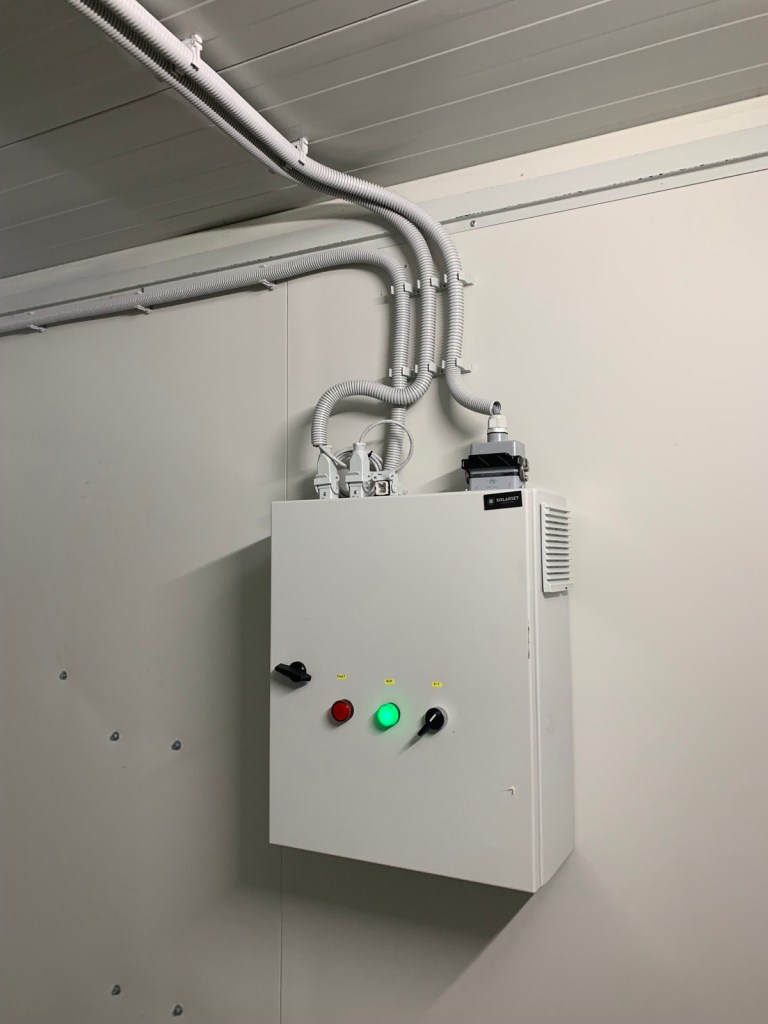
The telemonitoring and remote control systems for renewable energy stations (RES) are based on automation and communication technologies that enable the remote supervision and management of various installations. The system has been implemented using the programmable logic controller (PLC) CPU 1212C from the Siemens SIMATIC S7-1200 family, along with the communication module CP 1243-1 IEC, which provides network connectivity capabilities.
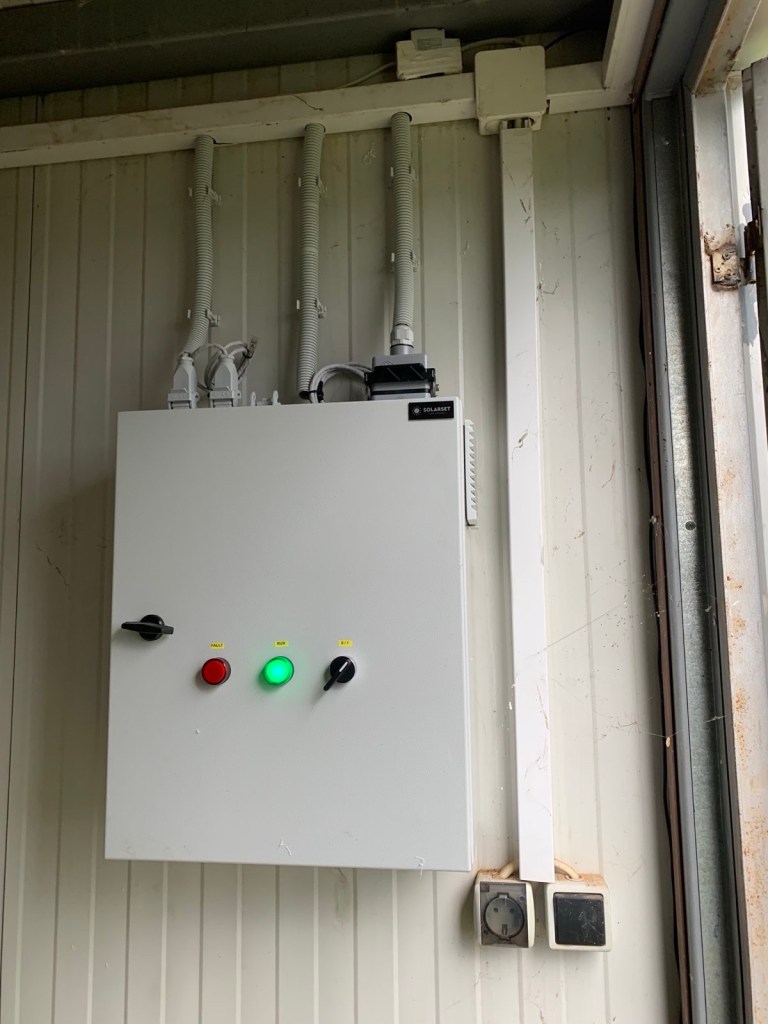
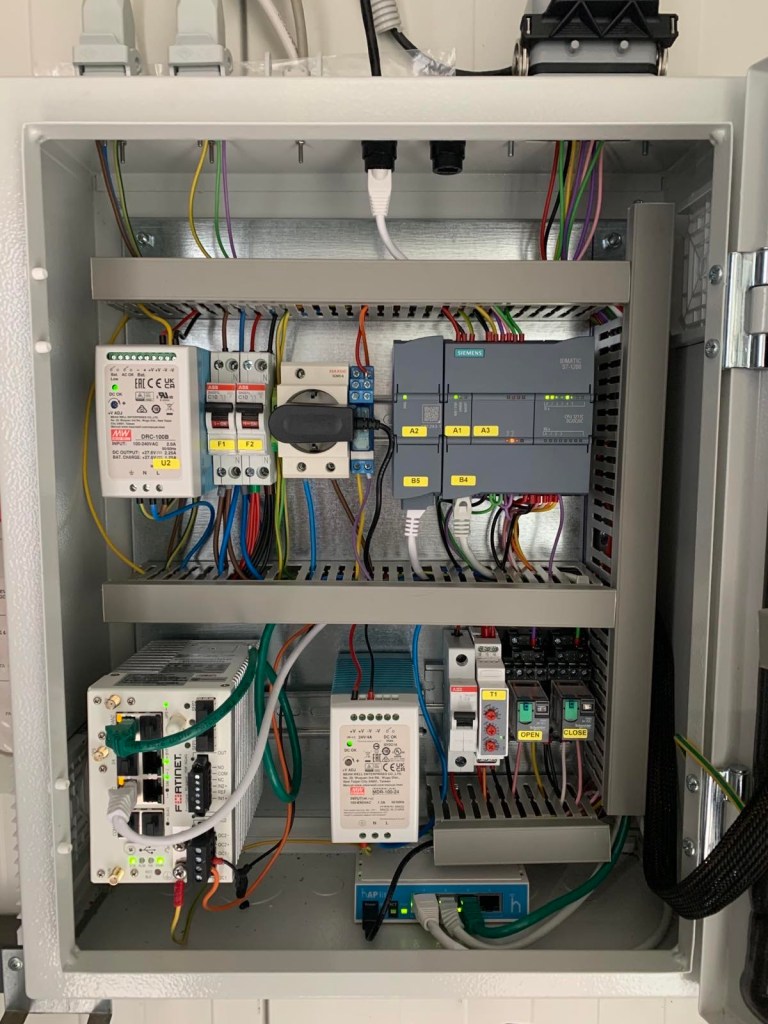
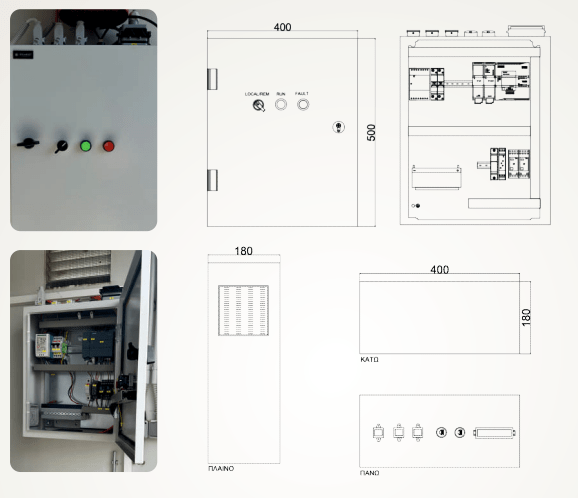
Key features of the system
CPU 1212C:
- This is a programmable logic controller (PLC) from the Siemens S7-1200 family.
- It includes digital and analog inputs and outputs for connecting sensors and feedback signals from the PV system.
- It enables the execution of control logic for managing the various subsystems of a RES station, such as photovoltaic inverters (PV inverters), energy storage units, and allows for autonomous decision-making within the system itself.
- It supports the creation and execution of control programs in STL, LAD, or FBD languages to control the station’s devices.
CP 1243-1 IEC (Communications Module):
- This is an add-on module for the PLC system that allows communication with external networks.
- It supports communication protocols such as IEC-60870-5-104, Modbus TCP, and PROFINET for integration with other devices and systems.
- It enables sending and receiving data from the PLC over the internet or other remote networks, allowing for remote monitoring and control of the system.
- It includes built-in security features such as VPN and firewall to protect the data and system from external threats.
System functions
Supervision:
- The system allows real-time monitoring of various operations within the RES station. Through connections using various communication protocols, it collects data such as active power output, reactive power, current, grid voltage, operational status of equipment, and more. This information is transmitted via the CP 1243-1 module to one or more partners (e.g., HEDNO, aggregators, producers) or to a SCADA system.
Remote Control:
- The system enables remote control of the installations. Commands sent from a control center (e.g., HEDNO) allow the PLC to activate or deactivate devices, adjust operating parameters, or perform diagnostic procedures.
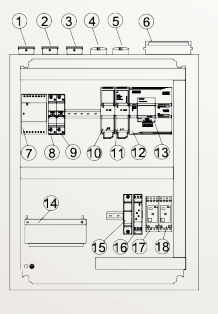
Advantages
- Automation and efficiency in the management of installations.
- Scalability and flexibility, with high speed and low cost.
- Control logic can be developed at various levels of complexity depending on application requirements, covering all possible operational scenarios.
- Security features, including built-in VPN and firewall protection.
- SCADA capability, with the option to develop a high-spec SCADA system tailored to the needs of a RES system and user preferences.
- Reliability through Siemens equipment, which is widely trusted in industrial applications.
- Remote management ease, allowing for immediate response to issues without physical presence on-site.
- Easy integration and isolation from the external environment, using fast-connect electrical plugs for physical connections.
Overall, the system offers a comprehensive solution for remote monitoring and control of RES stations, enhancing the efficiency and sustainability of installations, while protecting both data and infrastructure from external threats. Additionally, the system fully complies with HEDNO requirements, supporting communication via IEC-61850 or IEC-60870-5-104 protocols.
 SOLAR SET SOLUTIONS